Enduring Landmarks
 by
Mariska Moodley
· · Updated · 5 min read
by
Mariska Moodley
· · Updated · 5 min read

Discover the history, beauty, and charm behind these iconic locations and attractions
Whalebone Pier Built in 2007 as a stormwater outlet, it's designed to resemble a whale's skeletal frame, paying homage to whale migration patterns. The 80-meter pier offers spectacular ocean views and features beautiful mosaic art. It was named one of the world's most beautiful piers by CNN in 2014, and has since become a popular spot for fishing, sunset watching, and photography, attracting locals and tourists alike to the picturesque coast.
 The Oyster Box Hotel
Originally built in 1863 as a navigational beacon, it was later transformed into a tea garden and then became a hotel in 1954. It became an iconic landmark known for its stunning, direct access to the ocean and its unique role as custodian of the famous red-and-white striped lighthouse located right in front of the property. The hotel has hosted celebrities and dignitaries, including Princess Charlene and Prince Albert II of Monaco in 2011. It is also featured as the only hotel on the South African Monopoly board.
The Oyster Box Hotel
Originally built in 1863 as a navigational beacon, it was later transformed into a tea garden and then became a hotel in 1954. It became an iconic landmark known for its stunning, direct access to the ocean and its unique role as custodian of the famous red-and-white striped lighthouse located right in front of the property. The hotel has hosted celebrities and dignitaries, including Princess Charlene and Prince Albert II of Monaco in 2011. It is also featured as the only hotel on the South African Monopoly board.
 KwaZulu-Natal Sharks Board Maritime Centre of Excellence
Established in 1964 to protect beachgoers along KwaZulu-Natal's coastline from shark attacks. It's the only organisation of its kind in the world, managing shark nets and drumlines across 37 beaches while conducting groundbreaking research on shark biology and conservation. Visitors can enjoy educational shark dissections, lifelike replicas at the Shark Museum, and boat tours that explain how to maintain safety gear. The Board also pioneers environmentally friendly tech like shark-repellent cables to minimise negative impacts on marine life.
KwaZulu-Natal Sharks Board Maritime Centre of Excellence
Established in 1964 to protect beachgoers along KwaZulu-Natal's coastline from shark attacks. It's the only organisation of its kind in the world, managing shark nets and drumlines across 37 beaches while conducting groundbreaking research on shark biology and conservation. Visitors can enjoy educational shark dissections, lifelike replicas at the Shark Museum, and boat tours that explain how to maintain safety gear. The Board also pioneers environmentally friendly tech like shark-repellent cables to minimise negative impacts on marine life.
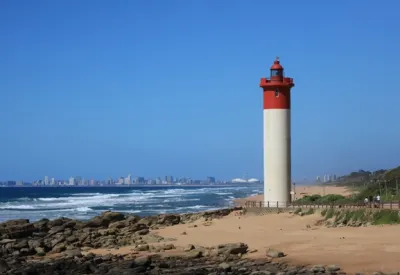 Umhlanga Rocks Lighthouse
It was completed in 1954 to replace the failing Bluff Lighthouse and to guide ships along KwaZulu-Natal's coast. Standing 21 meters tall, it is iconic for its striking red-and-white cylindrical design and stands prominently on the promenade near the Oyster Box Hotel. It was built in just four days and 19 hours, and guides ships with a 600,000-candela light, visible up to 24 nautical miles away. The lighthouse is still operational, and visitors can climb the 55 steps to the top for breathtaking glimpses of the Indian Ocean and the surrounding coastline.
Umhlanga Rocks Lighthouse
It was completed in 1954 to replace the failing Bluff Lighthouse and to guide ships along KwaZulu-Natal's coast. Standing 21 meters tall, it is iconic for its striking red-and-white cylindrical design and stands prominently on the promenade near the Oyster Box Hotel. It was built in just four days and 19 hours, and guides ships with a 600,000-candela light, visible up to 24 nautical miles away. The lighthouse is still operational, and visitors can climb the 55 steps to the top for breathtaking glimpses of the Indian Ocean and the surrounding coastline.
 Umhlanga Rocks Promenade
A scenic 3km coastal walkway in KwaZulu-Natal stretches along the beachfront, offering a stunning seascape. The promenade is a popular spot for walking, jogging, and taking in the sunset. It's also a great place to spot dolphins and whales during migration seasons. The area is rich in history, with the name "Umhlanga" derived from the isiZulu word for "place of reeds". The promenade is lined with restaurants, shops, and entertainment options, making it a bustling activity hub.
Umhlanga Rocks Promenade
A scenic 3km coastal walkway in KwaZulu-Natal stretches along the beachfront, offering a stunning seascape. The promenade is a popular spot for walking, jogging, and taking in the sunset. It's also a great place to spot dolphins and whales during migration seasons. The area is rich in history, with the name "Umhlanga" derived from the isiZulu word for "place of reeds". The promenade is lined with restaurants, shops, and entertainment options, making it a bustling activity hub.
 Sibaya Casino & Entertainment Kingdom
Inspired by traditional isiZulu culture, and designed to resemble a traditional Royal Kraal, the main building features a massive central thatched dome - the iZulu Theatre, which is the largest of its kind in the world. Its location on 48 hectares of coastal highland shows off breathtaking 360-degree views of the Indian Ocean and the Zululand hinterland. The entrance is guarded by massive Zulu and Wildebeest statues, and the casino ceiling is painted to mimic a perpetual African sunset. Sibaya offers over 1,214 slot machines, 48 gaming tables, and various entertainment options, including live shows and dining at restaurants. With luxurious accommodations at the Royal Sibaya Hotel and Sibaya Lodge, it's an ideal spot for relaxation and entertainment.
Sibaya Casino & Entertainment Kingdom
Inspired by traditional isiZulu culture, and designed to resemble a traditional Royal Kraal, the main building features a massive central thatched dome - the iZulu Theatre, which is the largest of its kind in the world. Its location on 48 hectares of coastal highland shows off breathtaking 360-degree views of the Indian Ocean and the Zululand hinterland. The entrance is guarded by massive Zulu and Wildebeest statues, and the casino ceiling is painted to mimic a perpetual African sunset. Sibaya offers over 1,214 slot machines, 48 gaming tables, and various entertainment options, including live shows and dining at restaurants. With luxurious accommodations at the Royal Sibaya Hotel and Sibaya Lodge, it's an ideal spot for relaxation and entertainment.
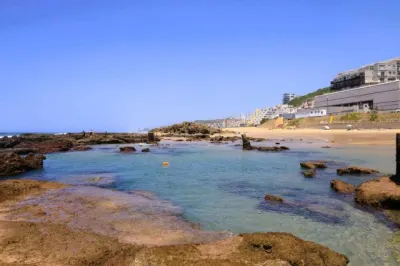 Umdloti Tidal Pool
Formed by rock barriers along the shore, this beloved gem offers safe swimming, snorkelling, and, at low tide, a haven for exploring marine life. The pool is filled by the Indian Ocean's tides, offering a safe and serene spot to soak up the sun. It provides a calm, shallow alternative to the surrounding ocean's strong currents and rip tides. Locals and tourists alike come here for picnics and relaxing days by the sea.
Umdloti Tidal Pool
Formed by rock barriers along the shore, this beloved gem offers safe swimming, snorkelling, and, at low tide, a haven for exploring marine life. The pool is filled by the Indian Ocean's tides, offering a safe and serene spot to soak up the sun. It provides a calm, shallow alternative to the surrounding ocean's strong currents and rip tides. Locals and tourists alike come here for picnics and relaxing days by the sea.
 Johnnie Walker Statue
Originally known as "Stride", it was created by sculptor David Wynne and was gifted to the people of Umdloti by Diageo, the makers of Johnnie Walker whisky, in 2022. Found at the Umdloti Tidal Pool, across from SandBar, the statue depicts the Johnnie Walker 'strider' character, symbolising progress and optimism. Frequently photographed by tourists, this dapper "striding man" has become a popular selfie spot. Beyond its charm, it adds to road safety by encouraging motorists to slow down near the busy crossing. It has become a beloved symbol of Umdloti's spirit and a must-see attraction.
Johnnie Walker Statue
Originally known as "Stride", it was created by sculptor David Wynne and was gifted to the people of Umdloti by Diageo, the makers of Johnnie Walker whisky, in 2022. Found at the Umdloti Tidal Pool, across from SandBar, the statue depicts the Johnnie Walker 'strider' character, symbolising progress and optimism. Frequently photographed by tourists, this dapper "striding man" has become a popular selfie spot. Beyond its charm, it adds to road safety by encouraging motorists to slow down near the busy crossing. It has become a beloved symbol of Umdloti's spirit and a must-see attraction.
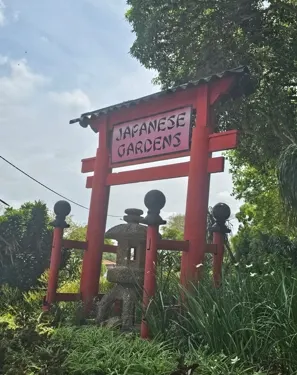 Japanese Gardens
Created in the 1960s, the gardens showcase traditional Japanese design, with koi ponds, wooden bridges, bamboo groves, and stunning plant life. This iconic landmark is a symbol of peace and harmony, reflecting the beauty of Japanese culture. Visitors can stroll along winding paths, take in the tranquil atmosphere, and enjoy the beautiful floral displays. The gardens host cultural events and workshops, making it a must-visit destination for those seeking relaxation and cultural enrichment.
Japanese Gardens
Created in the 1960s, the gardens showcase traditional Japanese design, with koi ponds, wooden bridges, bamboo groves, and stunning plant life. This iconic landmark is a symbol of peace and harmony, reflecting the beauty of Japanese culture. Visitors can stroll along winding paths, take in the tranquil atmosphere, and enjoy the beautiful floral displays. The gardens host cultural events and workshops, making it a must-visit destination for those seeking relaxation and cultural enrichment.
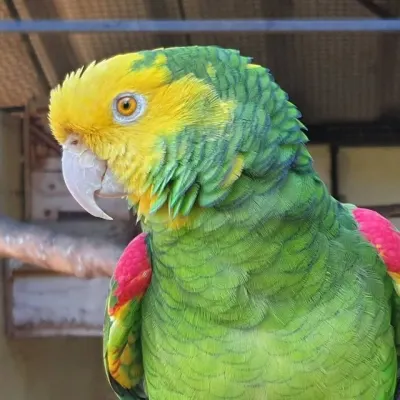 Umgeni River Bird Park
Opened in April 1984 by Dr Alan Abrey, it's home to over 700 birds from 200 species, including parrots, eagles, and hornbills. It is a vital conservation hub, breeding 17 of the 24 threatened bird species in its collection, including the endangered wattled crane. Famous for Africa's first free-flight bird show, the park offers an educational, close-up experience with exotic birds, making it a beloved Durban highlight. The park features walk-through aviaries, a butterfly garden, and a reptile house. Visitors can enjoy guided tours, animal encounters, and breathtaking views of the Umgeni River.
Umgeni River Bird Park
Opened in April 1984 by Dr Alan Abrey, it's home to over 700 birds from 200 species, including parrots, eagles, and hornbills. It is a vital conservation hub, breeding 17 of the 24 threatened bird species in its collection, including the endangered wattled crane. Famous for Africa's first free-flight bird show, the park offers an educational, close-up experience with exotic birds, making it a beloved Durban highlight. The park features walk-through aviaries, a butterfly garden, and a reptile house. Visitors can enjoy guided tours, animal encounters, and breathtaking views of the Umgeni River.
Words by: Mariska Moodley
Enjoyed this? See more from The Umhlanga Magazine in your Google results.

Written by
Mariska Moodley
Bringing new perspectives and fresh ideas, Mariska's stories reflect her vibrant energy.
READ MORE

Step into Forgotten Island at Gateway
by The Umhlanga Writer · September 10, 2026

Leave Reality Behind
by Cristina Govender · August 16, 2026
Live Wild & Free
by Jacqueline Herbst · July 12, 2026