Forget anti-ageing - the new wellness goal is ageing stronger
How strength, movement, recovery and nutrition can support a fuller, more active life over time.
by The Umhlanga Writer · · Updated · 4 min read

For decades, conversations around ageing have focused heavily on what we can smooth, disguise or turn back. But ageing well can be about much more than appearance. Increasingly, the conversation is expanding to include how strong we feel, how well we move and recover, and how fully we are able to participate in life as the years pass.
A broader conversation around ageing is emerging - one that makes room for looking well, while placing equal emphasis on staying strong, moving well, recovering well and maintaining the physical capacity to keep doing the things we love.
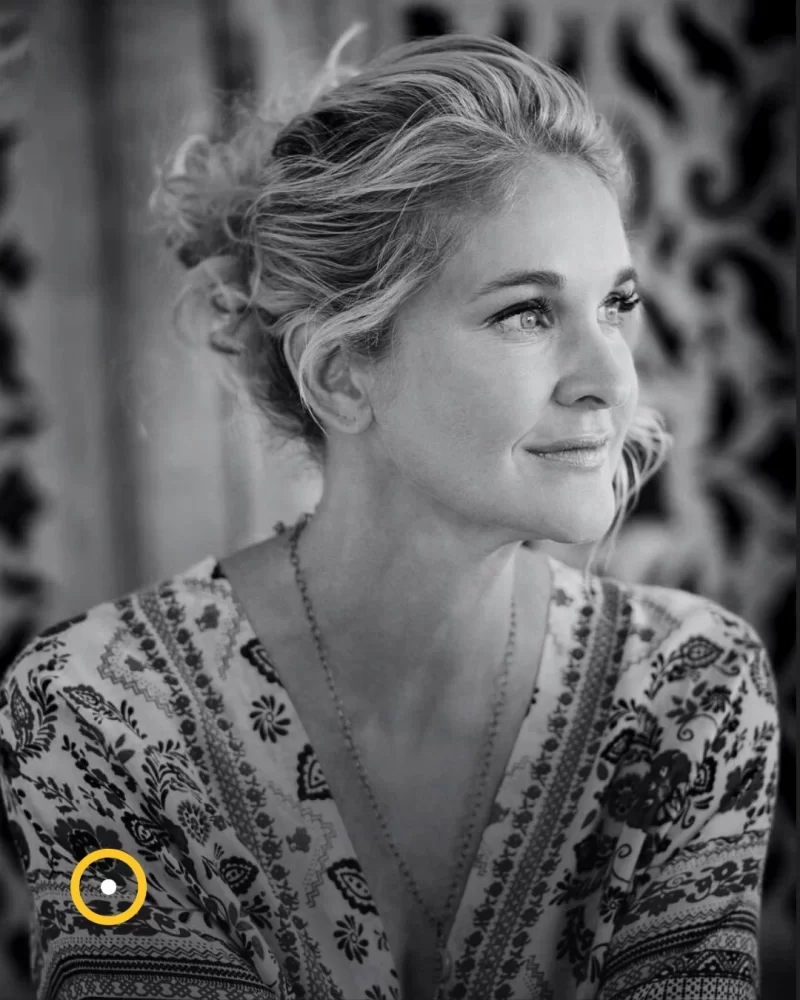
For Deborah Good, founder of South African wellness brand Youthology, this shift is fundamental to how she thinks about ageing. “I’ve never been fascinated by the pursuit of eternal youth. I’ve been fascinated by the possibility of remaining fully engaged with life as the years pass,” says Good. “The question isn’t how old we become. It’s how alive we remain.”
Strength is about far more than the gym
Muscle has traditionally been associated with athletes, bodybuilders and physical appearance. But maintaining muscle strength becomes increasingly important as we get older. Ageing is associated with a gradual decline in muscle mass, strength and physical endurance, making strength an important part of mobility, balance, physical function and independence later in life.Strength training can be about far more than lifting heavier weights or changing the way the body looks. Being able to get up from the floor easily, carry shopping, climb stairs, travel, play with children or grandchildren and continue doing the activities you enjoy are everyday measures of strength that become increasingly valuable as we age.
Good believes the real value lies in what that strength allows us to continue experiencing. “The real currency was never youth. It was vitality. Curiosity. Strength. Presence. The excitement of waking up with people to love, places to explore, meaningful work to do, and the feeling that life is still unfolding in beautiful and unexpected ways.”
Resistance exercise can take many forms, from weights and resistance bands to exercises using your own body weight. The key is finding an appropriate form of movement that can be maintained consistently and, where necessary, seeking professional guidance.
Movement and recovery both matter
Regular movement supports much more than fitness. Walking, swimming, cycling, strength training, Pilates, yoga and simply moving more during the day can all help maintain physical capacity and mobility. Movement can support appearance and performance, but its value extends further: helping us maintain the physical capacity to keep participating fully in life.Recovery is equally important. Exercise provides the stimulus for the body to adapt, while rest, sleep, hydration and adequate nutrition give it the opportunity to do so. Recovery is not only for elite athletes; work stress, exercise, poor sleep and busy lives all place demands on the body.
As Good puts it: “I want to help people keep saying yes to life for as long as possible.” Rest is not separate from progress; it is part of how the body adapts, replenishes and continues.
Nutrition provides the building blocks
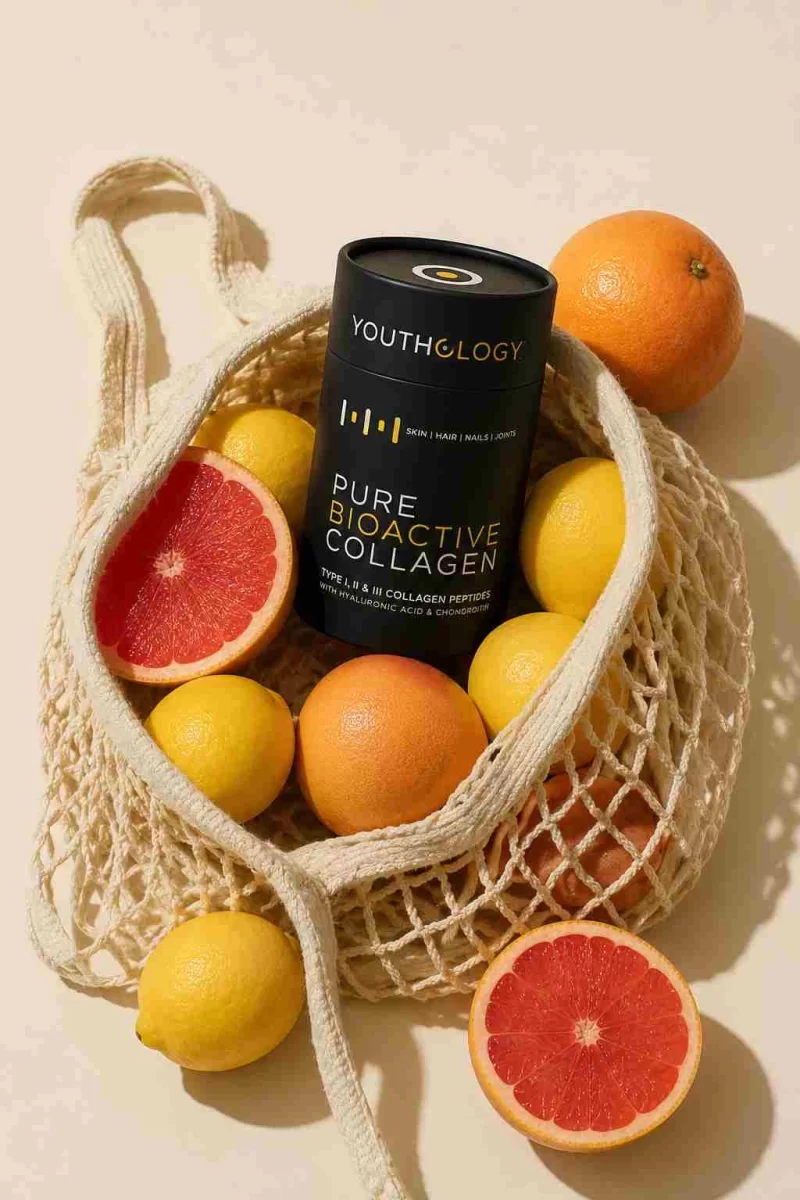
There is no single food, supplement or wellness trend that can guarantee healthy ageing. A varied, balanced diet remains fundamental, providing the energy and nutrients the body needs to function, repair and maintain itself. Protein is particularly relevant to maintaining muscle, while fruit and vegetables, whole grains, healthy fats and adequate hydration all form part of the bigger picture.
As we age, however, the body's nutritional needs can change, and thoughtfully chosen supplementation can play a valuable role in supporting strength, recovery and overall wellbeing as part of a balanced, healthy lifestyle. Collagen supplementation, for example, may be considered as part of a healthy-ageing routine, particularly as the body's natural collagen production declines over time. More broadly, carefully chosen supplements can help support the body in areas where diet alone may not always meet changing needs.
Where do supplements fit in?
With social media feeds filled with powders, capsules and the latest must-have wellness ingredients, supplementation can easily be presented as a shortcut. Good sees it differently: as one possible part of a broader approach to supporting the body as its needs change with age.“As we age, our biology changes. We naturally produce less collagen. Cellular energy declines. Our skin, muscles, joints and hair all need different support than they did twenty years ago. Rather than pretending those changes don’t exist, or trying to erase them, I believe we can intelligently replenish what the body naturally loses over time.”
Supplements should complement rather than replace the foundations of a healthy lifestyle - good nutrition, regular movement, adequate sleep and recovery - and individual needs will differ according to age, diet, activity levels and health circumstances.
For Good, the bigger shift is in how we think about getting older. “Ageing isn’t something to fight. It’s something to do well.” Healthy ageing may look different for each of us. But perhaps one meaningful measure is not how successfully we turn back the clock, but how fully we are able to keep living as it moves forward.
Enjoyed this? See more from The Umhlanga Magazine in your Google results.

READ MORE

Blooming Through Life’s Seasons
by Mariska Moodley · October 9, 2026

Meet the All-New Mazda CX-5
by The Umhlanga Writer · October 9, 2026
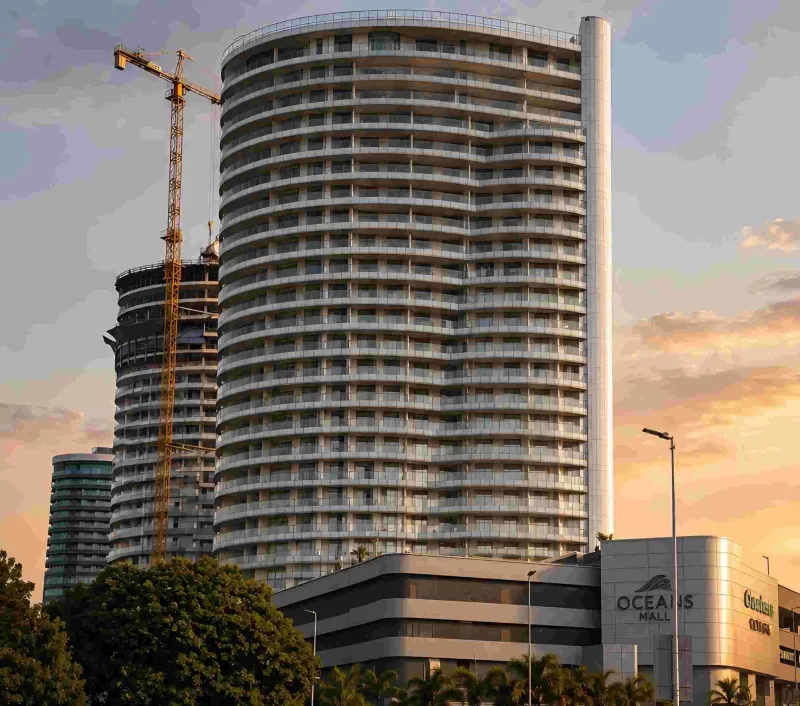
Oceans Residences North Tower
by The Umhlanga Writer · October 9, 2026