The Architecture of a Good Tattoo
Fine Line Tattoo Studio
 by
Jacqueline Herbst
· · 3 min read
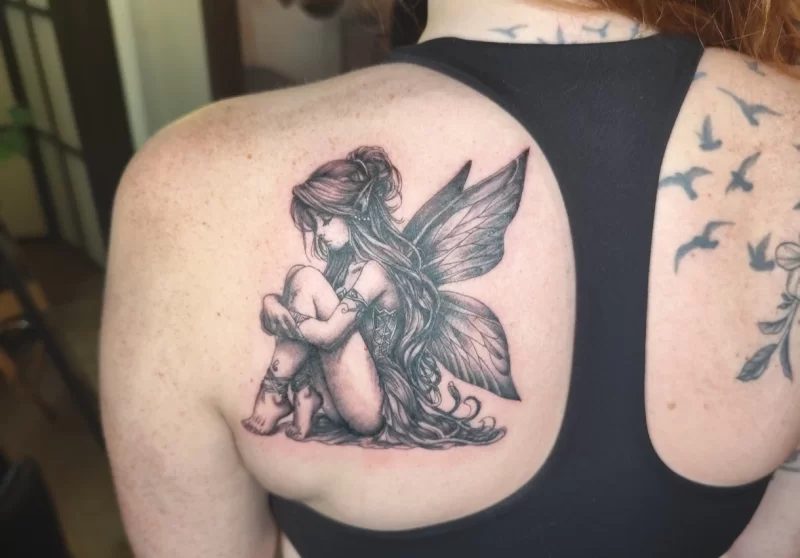
Made up of living cells, skin is always changing. Medication, alcohol and drugs in your system impact how much you bleed, how sensitive your skin is and how well your body heals. Bleeding pushes out ink and results in a patchy tattoo.
You also need to consider skin type, tone, colour and pigment. Yellow disappears on olive skin tone while most colours appear brighter on fair skin. Darker skin better suits red and blue, but even blue can be temperamental. A professionally trained tattoo artist knows how ink will heal on different complexions and what size and shape works best on which part of the body.
Fine Line Tattoo & Piercing co-owner and tattoo artist, Sheldon Shaw emphasises the critical importance of having a consultation with your tattoo artist before slinging any ink on the canvas. He says many bad tattoos result from people being fixated on a specific idea they have had since a young age and being unwilling to adapt it based on their tattoo artist’s advice. A skilled artist may explain why a particular design is not a good idea as envisioned. It could be as simple as adjusting the size, colour or placement of the tattoo.
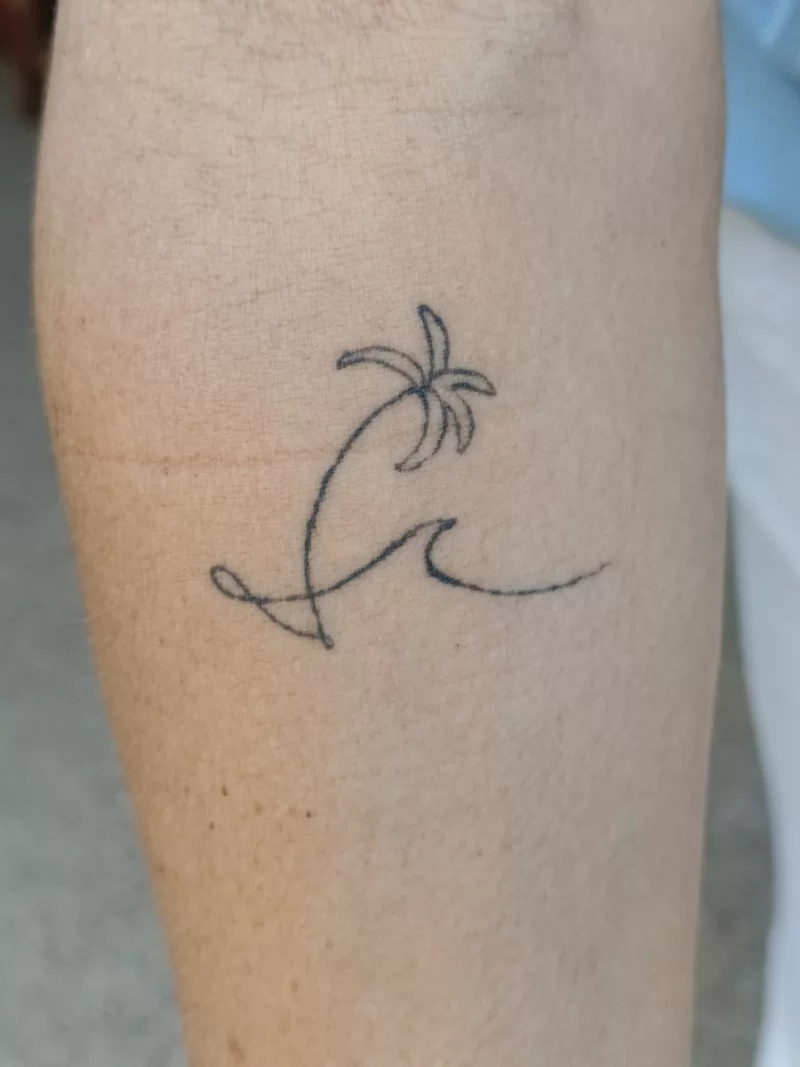
“If a tattoo is too small, especially a high realism tattoo, it will smudge over the years,” Sheldon says. He explains that many people go too small because they are afraid to commit. Anatomy is important. A straight line on a moving part of the body will always appear warped. The more elaborate the flow of a design, the better the tattoo will work across different areas of the body. Counterintuitively, the simplest fine-line tattoo can be the most difficult to execute, as it is highly technical with zero margin for error.
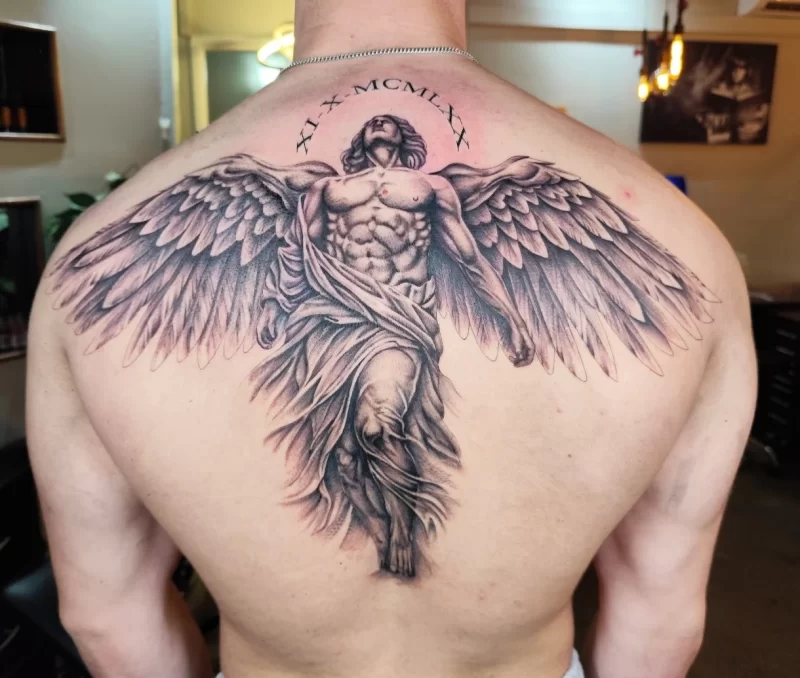
On the other end of the scale, large tattoos like sleeves take months to complete. Artwork that, for example, requires 36 hours of work may take five to six months to wrap up. Large-scale works like this are typically completed over four- to six-hour sessions, with two- to three-week recovery periods between each session. When choosing an artist, research is key. “Don’t go to your mate down the road. Do your research and go to an experienced artist,” Sheldon says. He advises studying different artists’ portfolios and choosing one who specialises in the style of work you want. Whether it is realism, fine line, Japanese traditional or watercolour, find a specialist. You wouldn’t go to a plastic surgeon for a knee replacement, so why choose a tattoo artist who doesn’t specialise in the style you want?
Finally, and possibly most importantly, Sheldon says health is paramount. Choose a tattoo studio that holds valid, government-issued health certificates. Also pay attention to accolades and awards, word of mouth and the general vibe you get from the studio.
When done well, a tattoo can be a beautiful piece of art that becomes part of you. The best tattoos are the ones where the design, placement, skin and artist all come together. A little research and an open mind can make the difference between simply getting a tattoo and getting one you’ll be proud to wear for years.
https://www.finelinetattoo.co.za/
Enjoyed this? See more from The Umhlanga Magazine in your Google results.

Written by
Jacqueline Herbst
Jacqui brings a style of storytelling that informs and engages readers.
READ MORE

Capturing the Magic - Durban Flying Dress
by Elvida Sydney · August 23, 2026

Coral Cove
by The Umhlanga Writer · June 23, 2026

The Watch on Your Father's Wrist
by Justin Scott · June 9, 2026